The real cost of Доставка свежей выпечки: hidden expenses revealed
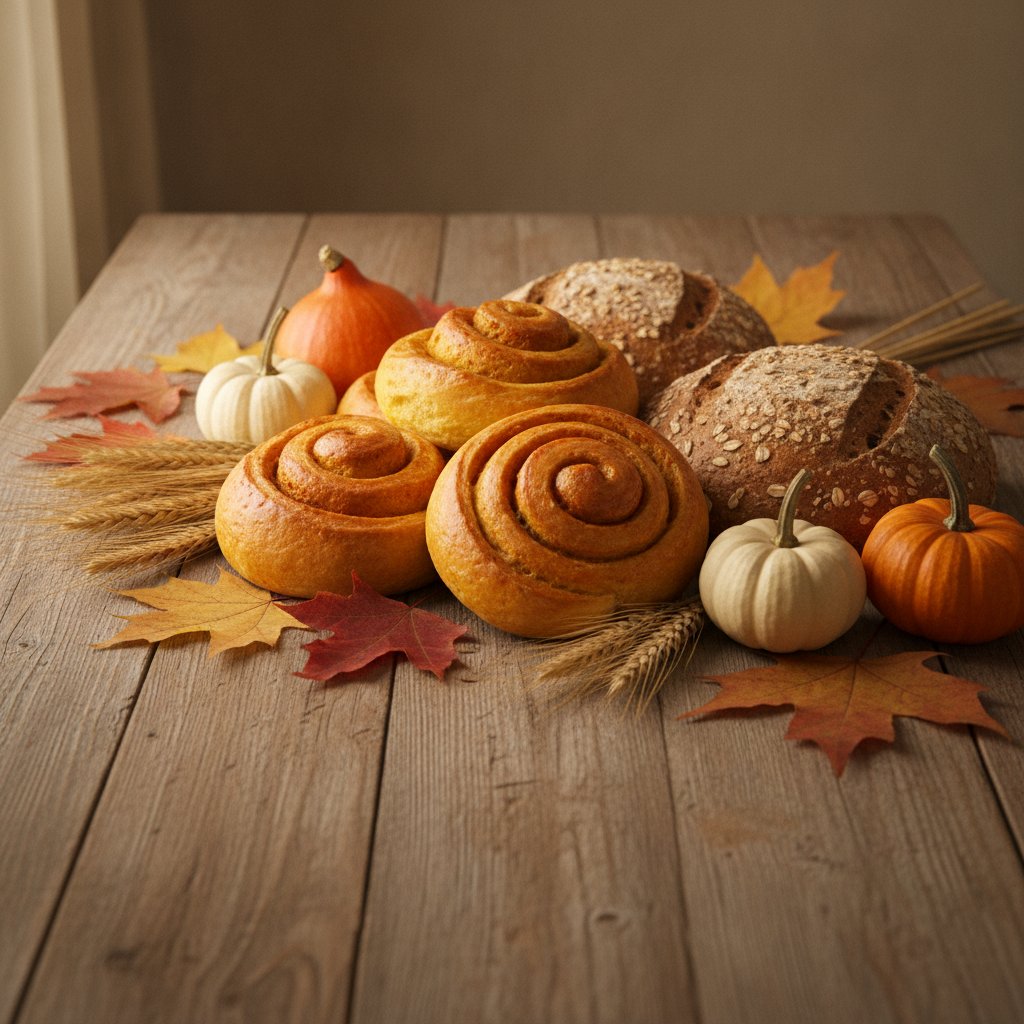
Maria's bakery smelled like heaven at 4 AM—butter, yeast, and possibility. Her croissants were legendary in her Moscow neighborhood. Then came the delivery requests. "Just a few orders," she thought. "How hard could it be?"
Six months later, Maria discovered she was losing money on every delivery.
She's not alone. The fresh bakery delivery business looks deceptively simple from the outside: bake goods, put them in a bag, drive them to customers. But beneath that crusty exterior lies a complex web of expenses that can turn your profit margins into crumbs faster than you can say "pain au chocolat."
The Obvious Costs (That Still Surprise People)
Let's start with what you'd expect. Delivery vehicles don't run on dreams and flour dust. A single delivery van in a major Russian city costs between 1.2 to 1.8 million rubles to purchase, or 35,000-50,000 rubles monthly to lease. Then there's fuel—with Moscow traffic, you're looking at roughly 8-12 liters per 100km in stop-and-go conditions.
Insurance for commercial food delivery? That's another 80,000-120,000 rubles annually, depending on your coverage and city. And drivers—well, they need salaries. The average delivery driver in Moscow earns 45,000-65,000 rubles per month, plus you're responsible for their benefits and taxes.
But here's where it gets interesting.
The Hidden Killers: What Nobody Tells You
Temperature Control Is Your Silent Money Drain
Fresh pastries need specific conditions. Too warm, and your butter-rich croissants turn into greasy disappointments. Too cold, and the texture suffers. Insulated delivery bags cost 3,000-8,000 rubles each, and you'll need several. Some bakeries invest in refrigerated compartments—add another 150,000-300,000 rubles for professional installation.
One bakery owner in St. Petersburg told me she goes through twelve insulated bags every six months because of wear and tear. That's 72,000 rubles annually just on bags.
The Time Window Trap
People want their pastries warm. That means morning delivery windows between 7-9 AM for most customers. Your bakers start at 3 AM. Your drivers arrive at 6 AM. You're paying for labor hours that don't scale efficiently—whether you deliver to five customers or fifty, you need the same minimum staffing.
This creates what industry folks call "the breakfast bottleneck." Roughly 70% of orders come for the same two-hour window, but you can't justify hiring proportional staff for just those peak hours.
The Return Trip Nobody Counts
Here's something Maria learned the hard way: delivery costs are round-trip. Your driver spends 40 minutes driving to a customer 15 kilometers away. Then 40 minutes back. That's 80 minutes of paid time, fuel, and vehicle wear for one order worth maybe 800 rubles.
The math gets brutal fast. If your profit margin on baked goods is 30% (optimistic for retail bakery), you're making 240 rubles on that order. But between fuel (roughly 120 rubles), driver time (approximately 180 rubles based on hourly breakdown), and vehicle depreciation (another 80 rubles), you've just lost 140 rubles.
The Invisible Costs That Accumulate
Packaging deserves its own chapter. Those pretty boxes with your logo? Between 25-45 rubles per unit. Tissue paper, ribbons, stickers—another 15-20 rubles. Customers expect Instagram-worthy presentation, which means your packaging costs can hit 65 rubles per order.
Then there's spoilage during transit. A sudden brake, a pothole, an overheated bag—boom, your delicate raspberry tarts are damaged. Industry estimates suggest 3-5% of delivered goods arrive in less-than-perfect condition. Some customers complain, some don't, but either way, you're eating that cost.
Software and technology add up too. Decent delivery management systems run 15,000-40,000 rubles monthly. GPS tracking, customer communication apps, online ordering platforms—each piece costs money.
What The Numbers Really Say
A bakery owner in Kazan broke down her actual costs for me. For every 100 deliveries monthly:
- Direct delivery costs: 28,000 rubles
- Packaging: 6,500 rubles
- Technology/apps: 8,000 rubles
- Spoilage and returns: 4,200 rubles
- Hidden costs (extra insurance, equipment replacement, etc.): 5,800 rubles
Total: 52,500 rubles for 100 deliveries, or 525 rubles per delivery—before calculating the cost of the actual baked goods.
If you're charging customers 150-200 rubles for delivery, you're subsidizing every single order by 325-375 rubles from your product margins.
The Smart Operators Know This
Successful bakery delivery businesses don't just deliver everywhere. They create zones, set minimum orders, and charge what actually covers costs. Some bundle deliveries to the same neighborhood, accepting orders until 8 PM for next-morning delivery in specific areas only.
Others partner with existing delivery services, accepting the commission hit but eliminating vehicle and driver expenses entirely. The commission might be 25-30%, but that's often less than running your own delivery operation.
Key Takeaways
- True delivery costs range from 450-600 rubles per order when all expenses are calculated
- Morning delivery windows create staffing inefficiencies that don't scale
- Packaging and presentation costs add 40-65 rubles per delivery
- Vehicle depreciation and maintenance are often underestimated by 40-60%
- Minimum order values and delivery zones are essential for profitability
Maria eventually figured it out. She now only delivers to three neighborhoods, requires minimum orders of 1,500 rubles, and charges 300 rubles for delivery. Her margins improved by 18% in three months.
The croissants still smell like heaven. But now the numbers make sense too.