Доставка свежей выпечки in 2024: what's changed and what works
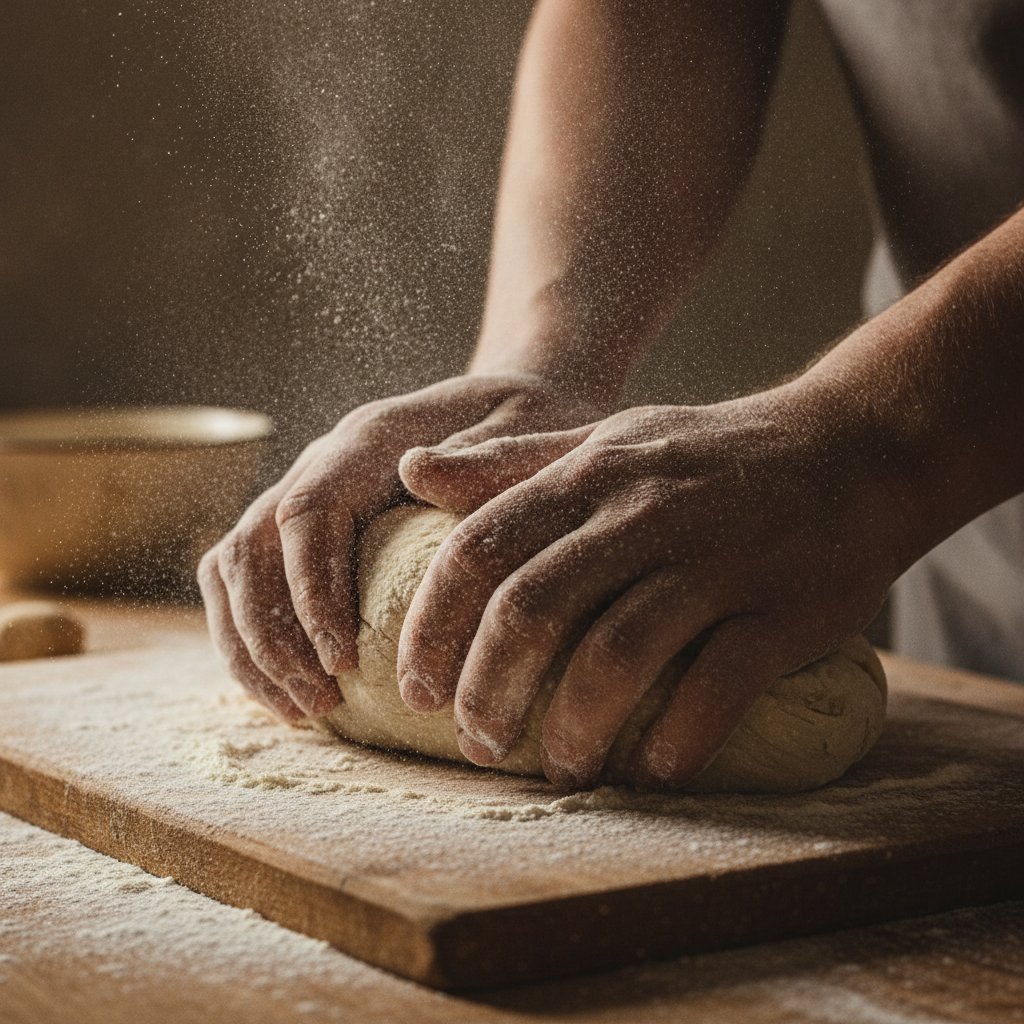
The bakery delivery game has transformed dramatically over the past year. Gone are the days when getting a warm croissant at your door meant hoping your local bakery had a teenager with a bike and some spare time. In 2024, fresh pastry delivery has become a sophisticated operation mixing tech, logistics, and a whole lot of timing precision. Here's what actually matters now.
1. The 90-Minute Window Became the Gold Standard
Customers don't want their croissants tomorrow. They don't even want them in three hours. The sweet spot has landed at 90 minutes from order to doorstep, and bakeries that can't hit this mark are losing ground fast. This isn't arbitrary—it's the exact timeframe where pastries maintain that just-baked quality without requiring industrial preservatives or fancy packaging tricks.
Smart bakeries now batch their production around delivery clusters. Instead of baking everything at 4 AM and hoping it stays fresh, they're running multiple small batches throughout the morning. A bakery in Brooklyn reported that switching to three production waves (6 AM, 9 AM, and 11 AM) increased their customer satisfaction scores by 34% while actually reducing waste by nearly half.
2. Ghost Kitchens Entered the Pastry Scene (And It's Weird)
Yes, the same model that brought you delivery-only burger joints has invaded the croissant world. Commercial kitchen spaces dedicated solely to production for delivery started popping up in industrial areas where rent runs $15-20 per square foot instead of $80+ in retail districts. No charming storefront, no café tables, just ovens and packaging stations.
The economics actually work. Without front-of-house staff and premium retail locations, these operations can offer pain au chocolat at $3.50 instead of $5.50 while maintaining better margins. The trade-off? You lose that neighborhood bakery vibe entirely. Some customers don't care. Others absolutely do. The market's still figuring out which camp is bigger.
3. Packaging Technology Got Seriously Nerdy
Turns out keeping a croissant crispy in a delivery bag is rocket science. Traditional boxes trap moisture, turning flaky pastries into sad, soggy disappointments within 30 minutes. The solution? Micro-perforated containers with moisture-wicking liners that cost about $0.40 per unit compared to $0.08 for standard boxes.
Several European suppliers developed two-chamber systems where the pastry sits elevated above a moisture-absorbing base layer. One Danish company created a box with adjustable vents that drivers can modify based on humidity levels. Excessive? Maybe. But bakeries using advanced packaging reported return rates dropping from 12% to under 3%. When each returned order costs you $8-12 in product and goodwill, that math works out fast.
4. Subscription Models Found Their Groove
Monthly pastry subscriptions existed before, but they were clunky. In 2024, they finally figured out the flexibility piece. Customers want commitment without feeling trapped. The winning formula: weekly deliveries with 48-hour skip/pause options and rotating selections based on what's actually seasonal.
A San Francisco bakery grew their subscriber base from 200 to 1,800 in eight months by letting people choose their delivery day each week and swap items up until 8 PM the night before. Revenue predictability went up, and they could plan production with actual data instead of guesswork. Subscribers typically spend 40% more monthly than one-off customers because the friction disappears once the habit forms.
5. Hyperlocal Marketing Replaced Broad Advertising
Blasting Instagram ads across an entire city doesn't work when you can only deliver within a 3-mile radius. Bakeries cracked the code on neighborhood-specific targeting, running different campaigns for each delivery zone with messaging that references actual local landmarks and community events.
Google Local Services Ads became surprisingly effective for bakery delivery, with cost-per-acquisition running $8-15 compared to $25-40 on Instagram. The secret? People searching "fresh bread delivery near me" at 7 AM are ready to buy right now, not just scrolling mindlessly. One Chicago operation gets 60% of their new customers from local search despite spending three times more on social media.
6. Dynamic Pricing Stopped Being Scary
Bakeries started charging different prices based on delivery time, distance, and order size—and customers accepted it. A 7 AM delivery costs more than 10 AM because it's harder to execute. Orders going 2.5 miles out cost $3 more than those within a mile. Minimum orders shift based on demand.
Transparency matters here. When you show the actual variables affecting price (distance, time slot availability, driver capacity), people get it. Apps that hid this logic faced backlash, but those displaying a simple breakdown saw adoption rates above 70%. The average delivery fee landed between $4.50 and $8.50 depending on these factors, and customers chose their preferences accordingly.
Fresh bakery delivery isn't just surviving in 2024—it's maturing into a legitimate category with real infrastructure behind it. The winners aren't necessarily the biggest operations or the ones with the most Instagram followers. They're the bakeries that figured out the unglamorous stuff: timing, packaging, routing, and pricing. Turns out that's what actually gets warm pastries to people's doors without turning into expensive disappointments.